20 Fun Details About Freestanding Wood Burning Stove
Heat Your Home With a Freestanding Wood Burning Stove This wood stove has been EPA certified to meet the emission standards. It can hold logs up to 20 inches in length. It also has a ceramic-glass window to let you see the flame. In contrast to an insert, a freestanding stove does not require chimneys which makes it simple to install in any room. Additionally, they can provide significant heating output on their own. Flexible Location The crackle of a wood burning fire creates a warm and cozy ambience as well as radiant heat that warms the walls, the hearth and furniture. It's been a favorite tradition for centuries. It provides the comfort and relaxation you need while saving you money on high winter energy bills. Modern wood stoves employ innovative design and technology to increase their efficiency over the old dirty burning stoves of the past. They create an enclosed system that requires less logs to produce more heat and can be utilized as a primary or supplementary heating source for your home. The most efficient models comply with EPA standards for emissions and use up to 50 percent less fuel than traditional fireplaces. Most homes can install a freestanding wood stove that allows you to enjoy the classic feel of an inviting fireplace while also reducing energy bills. You can find the ideal stove to fit in a variety of sizes and styles. Select a small, freestanding stove to create a warm and cozy atmosphere to supplement your primary heating source or opt for a medium sized wood stove that can help you save money by serving as the sole source of heating for up to 2500 square feet. Larger stoves are available for even larger houses with some capable of heating up to 3,000 square feet or more. Choose between a freestanding wood stove or a direct vent gas wood stove. Each option provides a different mix of design, flexibility in installation, and efficiency. Our experienced hearth specialists can assist you in choosing the most appropriate option for your home. A freestanding wood stove is a fantastic option to warm a living room, den, dining room or family room. It can be set up in the form of a chimney made of masonry or a pre-fabricated fireplace insert. It's important to hire a professional for the installation process to ensure that your new stove is secure, efficient and conforms to all local regulations and codes. This kind of job is not a DIY project because of the safety risks that are involved. Easy Installation Wood stoves can provide warmth and comfort to any room. They come in a variety of sizes to meet the heating requirements of an entire house. They are in line with EPA standards and are a great alternative to traditional fireplaces that produce less heat, require a lot of time to clean, and have poor air circulation. You can install free-standing stoves in an existing fireplace by using the right chimney liner. If you prefer a quick installation with a finished look it is recommended to choose an insert for your fireplace. Both options are efficient and cost-effective. They can be used to heat zones within your home and offer radiant warm and comfortable. No gas stove or furnace comes close. You can select one with an optional blower motor to push heated air into the room and increase heat distribution. The blower will help remove smoke and will keep your home warm by bringing outside air into and expel the indoor air. You should consult your local building or planning department for information on fire safety regulations for your area prior to purchasing a freestanding wood-burning stove. You may have to obtain a permit in order to install your stove. To ensure proper ventilation, you'll also need to install either chimney or vent. The stove's manufacturer must have an approved clearance rating for the walls and floor around the stove, which must be adhered to. To avoid burning or fire damage it is recommended to keep the clearance at least three feet away from combustible substances. You can put up a heat shield to safeguard walls and furniture from direct contact with the wood stove's surface. It is also important to ensure that your family members are aware with the fire evacuation procedures. Additionally, you should check the stove's installation regularly to ensure its safety. You should also ensure that you have enough supply of seasoned wood. Dry firewood that has been seasoned has a moisture content of less than 20 percent and is the ideal fuel for wood stoves. If you have too much moisture in the wood, it will not burn as efficiently and could cause a fire hazard. Variety of Design A wood stove can be an elegant fireplace to your home. They are available in various sizes and styles that will match almost any decor while offering great heating output. very small wood burning stove can be used as a primary source of heat or as an auxiliary stove. Many new wood stoves have been certified by the EPA for their efficiency and emission control. Re-burn systems are employed to eliminate leftovers from the combustion process which creates a cleaner fire that can last for a long time. They are also designed to keep your home warm for longer with the concept of a close combustion system, which reduces the amount of smoke in your home. Homeowners looking to update an existing hearth made of masonry will find freestanding wood stoves a great option. They can be put in any location without chimneys, or require major structural changes. They are also great for those who want to add a fireplace to a house that doesn't currently have one. A freestanding wood stove can be installed with a direct vent system or a traditional chimney system. Direct vent models use the two-wall system to vent. The vent wall on the outside allows in air from outside while the inner vent wall forces out exhaust fumes for an efficient and clean installation. This type of stove is simple to maintain and doesn't lose heat from air circulation making it an ideal alternative to a traditional fireplace. The traditional chimney systems can be a bit more complicated to set up, but they are highly effective at spreading heat throughout your home. They are often employed in conjunction with a blower that pushes heated air into areas which would otherwise be difficult to access. To provide additional comfort and convenience, they are available with a thermostat that can be adjusted and a remote control. Consider the different choices that match your style and preferences when you're searching for the latest wood-burning stove. There are stoves that sport modern appearance and others that have a classic Scandinavian design. RAIS also offers a variety of accessories to make your stove a distinctive part of your home decor. For instance, the intelligent multiboxes for Nexo, Viva L and Q-Be allow you to customize your stove with different handles and colors, and create a unique storage solution for your home. Efficient Heating There's nothing like the radiant heat produced by freestanding wood stove. This efficient heating appliance can warm up a large space without causing the house to explode or waste energy. These EPA certified wood stoves are an effective supplemental heat source with high temperatures of combustion and low emissions that help reduce ash, carbon monoxide and lost energy. They are also a great choice when there is an outright ban on burning because they are able to operate. These stoves are able to be put in rooms where a fireplace is difficult to heat. These stoves can be installed on lower levels and basements family rooms where heat rises to warm a larger area. They can also be used as the primary source of heat for smaller homes when they are situated in the central part of the house where heat rises naturally from ground upwards, through the walls and into other living areas. The price of wood stoves is also lower than gas-powered stoves. They're available in various sizes to meet the heating needs of various areas and are designed with efficiency in mind. Certain models have an app that lets you determine and monitor the ideal temperature for your room. This ensures that your wood burning stove always performs in the best way possible. 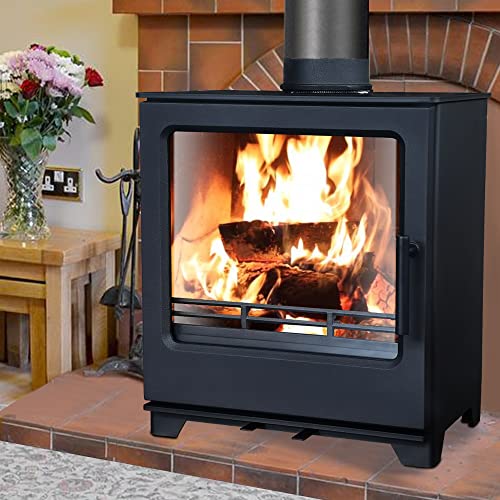 Pellet stoves provide an alternative to fireplaces that burn wood. They use wood pellets instead of logs. They are sold in 40-pound bags. The pellets are stored in a hopper and then fed by an electric auger. The stove then ignites the pellets using a built-in blower that draws in air to ignite and releases exhaust fumes through a venting mechanism. The blower can also be shut off if the fire is burning on its own. This is ideal for those who don't wish to add heating. Both freestanding stoves and inserts are efficient as supplementary sources of heat but they don't provide the same amount of warmth as an in-floor heating system. They both require power to operate fans and other components which help distribute the heat. If you live in an area where there are frequent power outages, it may be best to choose an electric model that makes use of backup electricity.